Wolf Spider
Wolf spiders are large, fast-moving hunting spiders known for their excellent eyesight and hairy appearance. Unlike many spiders, they do not build webs to catch prey. Instead, they actively hunt insects and other small pests.
About Wolf Spider
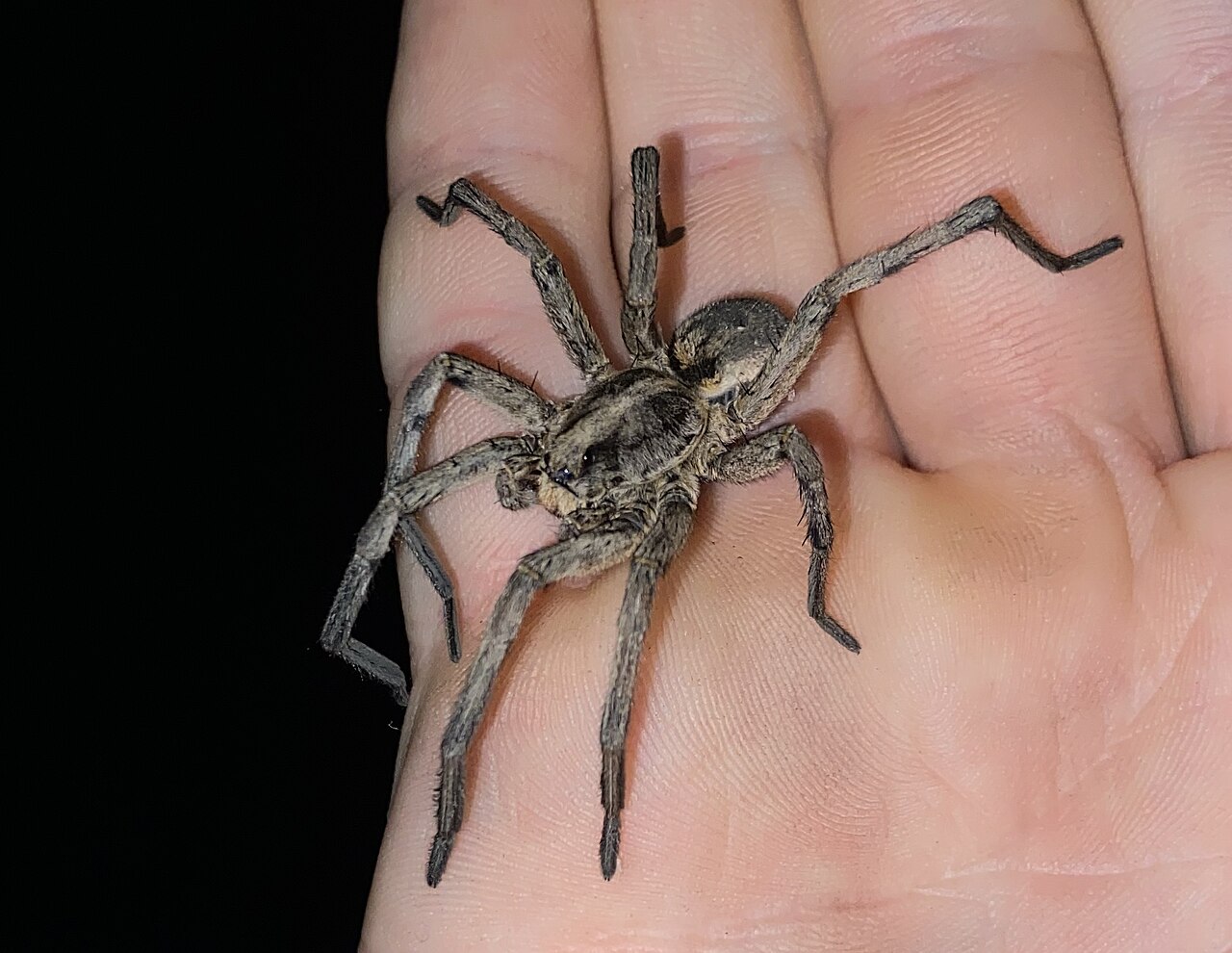
Wolf spiders are ground-dwelling spiders commonly found throughout Arizona and many parts of North America. They are usually brown, gray, black, or tan with striped or mottled markings that help them camouflage with soil, rocks, mulch, and landscaping materials.
These spiders are skilled predators that chase and ambush prey rather than spinning webs. Wolf spiders feed on crickets, roaches, ants, beetles, grasshoppers, and other insects. They are most active at night and may wander indoors while searching for food, shelter, or mates.
Female wolf spiders are unique because they carry their egg sacs attached to their spinnerets and later carry baby spiders on their backs after hatching.
Although they can look intimidating due to their size, wolf spiders generally prefer to avoid humans and are considered beneficial outdoors because they help control insect populations.
Identification
Common ways to identify wolf spiders include:
Large, robust, hairy body
Usually ½ inch to 2 inches in size including legs
Brown, gray, black, or tan coloring
Distinct striped, spotted, or camouflage patterns
Long, strong legs built for running
Eight eyes arranged in three rows (a key identification feature)
Fast runners that do not rely on webs for hunting
Signs of Infestation
Signs you may have wolf spiders around your home include:
Frequent spider sightings, especially at night
Large spiders found in garages, basements, sheds, or near entryways
Spiders running across floors or walls rather than sitting in webs
Increased insect activity attracting spiders
Wolf spiders hiding under rocks, firewood, clutter, storage boxes, or landscaping materials
Egg sacs or female spiders carrying babies
Because wolf spiders hunt instead of building webs, heavy webbing is usually not a sign of wolf spider activity.
Health & Safety Risks
Wolf spiders are not considered medically dangerous to most people.
Potential health concerns include:
Bites: Wolf spiders can bite if trapped, threatened, or handled.
Pain & Irritation: Bites may cause redness, swelling, itching, mild pain, or localized discomfort.
Allergic Reactions: Rarely, sensitive individuals may experience stronger reactions requiring medical attention.
Anxiety & Fear: Large spider sightings can cause stress and concern for homeowners.
Wolf spiders are not aggressive, do not seek out people, and their venom is generally mild compared to medically significant spiders.
If you experience severe symptoms after any spider bite, consult a medical professional.
Prevention Tips
You can help reduce wolf spider activity around your property by:
Sealing cracks, gaps, and openings around doors and windows
Installing door sweeps and repairing damaged screens
Reducing outdoor lighting that attracts insects
Eliminating excess moisture and standing water
Keeping garages, sheds, and storage areas clutter-free
Trimming vegetation away from the home
Removing wood piles, debris, rocks, and dense ground cover near foundations
Controlling insects, which serve as their food source
Need Help with Wolf Spider?
Our licensed pest control professionals can eliminate your pest problem quickly and safely.